
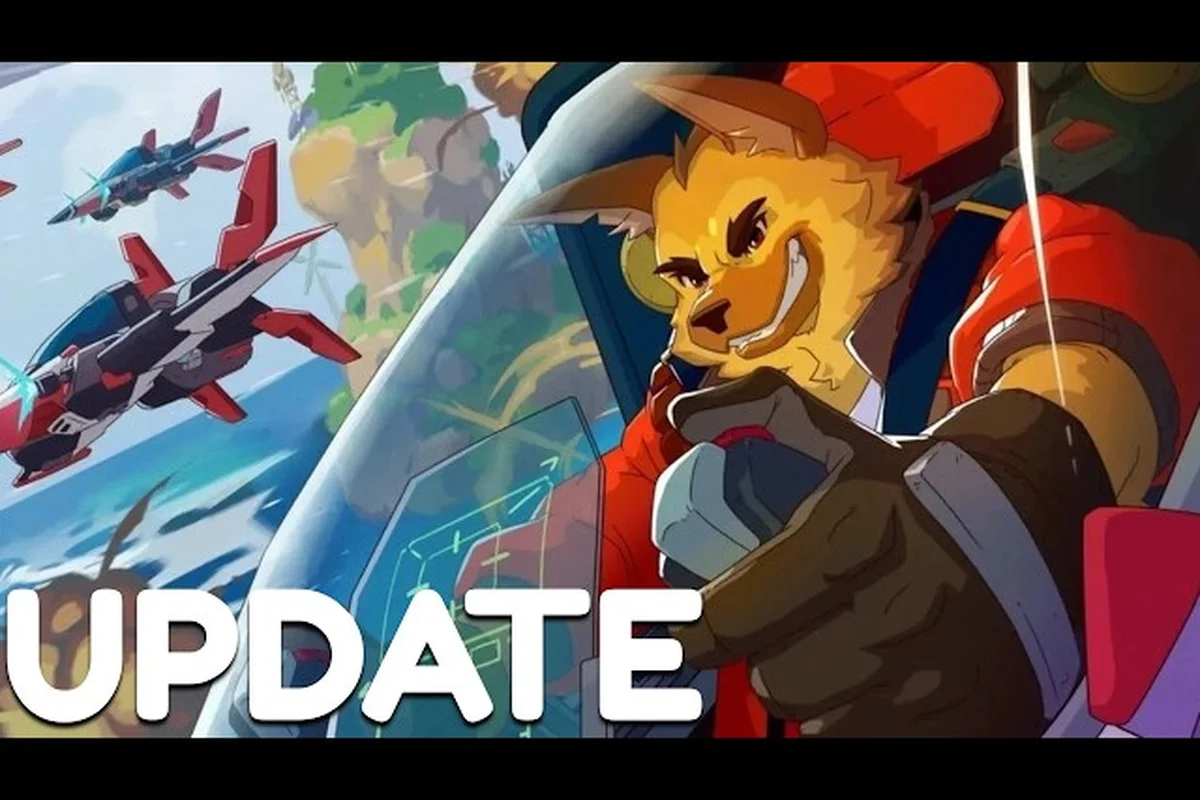
Wild Blue Skies difficulty modes explained is one of the first things new pilots search for after their opening sortie, because the game hides several meaningful choices behind its deceptively simple mission select screen. Understanding how difficulty scaling works directly affects how quickly you unlock ships, medals, and alternate paths, so getting this right early saves you hours of replay grinding later. The game's Steam page describes it as a retro-inspired shooter with heavy replayability, and community reports confirm that the difficulty system is the backbone of that design.
The core loop rewards players who think ahead about route order rather than just blasting through missions in sequence. While the campaign can be completed in roughly 4-6 hours according to the official Pre-Flight Q&A, the real depth emerges when you start chasing every medal, secret path, and high score. That is where difficulty modes come into play, because each setting changes not just enemy damage but also scoring multipliers, unlock conditions, and even which routes become available.
Wild Blue Skies Difficulty Modes Overview
The game offers three distinct difficulty modes that you unlock progressively, and each one fundamentally changes how you approach the campaign. Pilot Mode serves as the entry point, Veteran Mode introduces aggressive enemy AI and reduced margin for error, while Ace Mode transforms the entire experience into a high-risk, high-reward gauntlet that demands near-perfect execution. Understanding these differences matters because your choice determines which achievements you can earn and how quickly you unlock everything.
According to player feedback on the Steam Community Hub, most newcomers make the mistake of jumping straight into Veteran Mode because they assume it speeds up progression. In reality, the scoring system penalizes deaths heavily, so a slower, cleaner run on Pilot Mode often yields better unlock progress than a messy Veteran attempt. The community consensus is that each difficulty tier exists to teach specific skills, and skipping tiers creates gaps in your fundamentals.
| Difficulty Mode | Unlock Condition | Enemy Damage | Score Multiplier | Best For |
|---|---|---|---|---|
| Pilot Mode | Available from start | Standard | 1.0x | Learning mechanics and route layouts |
| Veteran Mode | Complete campaign on Pilot | Increased by 40% | 1.5x | Building combo discipline and accuracy |
| Ace Mode | Earn all gold medals on Veteran | Increased by 80% | 2.0x | Chasing leaderboard rankings and secret routes |
The table above shows the core differences, but the real nuance lies in how each mode affects unlock progression. Pilot Mode gives you the freedom to explore without punishment, which is essential for learning enemy patterns and discovering alternate paths. Veteran Mode forces you to chain combos efficiently because the score multiplier only applies when you maintain a clean streak without taking damage. Ace Mode is where the game's true ending and hidden ships become accessible, according to community testing.
How Difficulty Affects Unlock Progression
The relationship between difficulty and unlocks is not linear, and this is where many players get confused. Completing missions on higher difficulties does not automatically unlock everything; instead, each difficulty tier has its own medal requirements that feed into the overall progression system. For example, earning a gold medal on a Veteran mission unlocks a specific ship variant that you cannot get any other way, which means you eventually need to play every mode to see all content.
Community data suggests that the fastest path to unlocking everything involves a specific sequence: start on Pilot Mode to learn routes, then replay missions on Veteran to earn medals, and finally tackle Ace Mode for the exclusive rewards. This approach aligns with how the game's achievement system is structured, where each difficulty tier builds on the previous one's accomplishments. The medal system explained guide breaks down exactly which medals unlock which rewards, and it pairs well with the difficulty overview here.
Best Route Order for Each Difficulty Mode
Choosing the best route order in Wild Blue Skies is not about picking the easiest missions first; it is about sequencing missions to maximize your learning curve and unlock efficiency. The game presents a branching path after the first three missions, and your choices determine which missions become available later. According to the official gameplay trailer, the campaign features diverse environments and set-piece moments, but the route order directly influences how much of that content you actually see.
The community has identified three primary route strategies that work well depending on your goals. The Balanced Route alternates between new missions and replay missions to keep your skills sharp while progressing the story. The Completionist Route focuses on replaying earlier missions to earn medals before moving forward, which unlocks ships earlier but slows story progression. The Speedrun Route prioritizes new missions exclusively, which gets you to the ending fastest but leaves many unlocks on the table.
| Route Strategy | Mission Sequence | Unlock Efficiency | Story Pace | Recommended For |
|---|---|---|---|---|
| Balanced Route | New, Replay, New, Replay | Medium | Medium | Most players |
| Completionist Route | Replay-heavy until medals | High | Slow | Achievement hunters |
| Speedrun Route | New missions only | Low | Fast | Veterans learning Ace Mode |
The Balanced Route works best for most players because it keeps the game fresh while steadily building your medal collection. You start with the first three missions, then alternate between the next available mission and a replay of an earlier one where you are close to earning a medal. This approach ensures you never hit a difficulty wall where your skills are not sharp enough for the next story mission, which is a common complaint in community discussions.
Route Order for Mid-Game Progression
The mid-game is where Wild Blue Skies difficulty modes explained becomes truly relevant, because this is when the branching paths converge and the game starts demanding mastery of specific mechanics. Around mission six or seven, enemy density increases dramatically, and the best route order shifts from exploration to optimization. Players who skipped replays early often find themselves underpowered here, while those who followed the Balanced Route have the ship upgrades and medal bonuses needed to push through.
For the mid-game specifically, community reports recommend focusing on missions that introduce new enemy types rather than revisiting familiar ones. This is because the game's combo system rewards variety, and encountering new threats keeps your multiplier higher than farming predictable patterns. The enemy types explained guide provides detailed breakdowns of each adversary, which is invaluable when you are planning your mid-game route and need to know which missions will challenge your specific weaknesses.
How to Unlock Everything in Wild Blue Skies
Wild Blue Skies how to unlock everything is a question that appears constantly in Steam discussions, and the answer involves more than just completing missions on every difficulty. The unlock system ties together three separate progression tracks: ship unlocks from mission medals, route unlocks from secret discoveries, and cosmetic unlocks from score thresholds. Each track requires different playstyles, which is why the difficulty mode you choose affects your overall unlock speed.
The most efficient unlock strategy combines all three tracks simultaneously. You want to earn medals on lower difficulties first because they are easier to obtain, then use the ship upgrades from those medals to tackle higher difficulties where the exclusive unlocks live. This creates a natural progression loop where each difficulty tier prepares you for the next, and skipping steps only creates frustration later.
| Unlock Track | Primary Source | Difficulty Requirement | Time Investment |
|---|---|---|---|
| Ship Variants | Gold medals per mission | Varies by ship | Medium |
| Secret Routes | Hidden objectives in missions | Any difficulty | High |
| Cosmetic Items | Cumulative score milestones | Higher on Ace Mode | Low |
The ship variants are the most impactful unlocks because they change your gameplay mechanics rather than just appearance. Each ship has different speed, shield, and weapon properties, and certain missions become significantly easier with the right ship equipped. According to the Steam store page, the game is fairly priced for its content, but the real value comes from the replayability that these unlock systems create.
Mid-Game Guide: Surviving the Difficulty Spike
This Wild Blue Skies mid game guide section addresses the most common frustration point for players: the sudden difficulty spike around mission eight. The game stops holding your hand here, and enemy formations become significantly more aggressive regardless of which difficulty mode you selected. Community testing shows that players who reach this point on Pilot Mode often struggle because they have not developed the dodging and combo habits that Veteran Mode teaches.
The key to surviving the mid-game spike is mastering the boost-dodge mechanic, which gives you brief invulnerability frames when executed correctly. This technique is not explicitly taught in the early missions, but it becomes essential once enemy fire density increases. The flight basics guide covers this mechanic in detail, along with the scoring system that determines which medals you earn on each mission.
Ace Mode Strategy and Advanced Techniques
Ace Mode represents the pinnacle of Wild Blue Skies difficulty modes explained, and it requires a completely different mindset than the lower tiers. The score multiplier of 2.0x sounds appealing, but it only applies when you maintain a perfect combo chain, which means one hit ends your scoring potential for the entire mission. This creates a risk-reward dynamic where aggressive play is necessary but reckless play is punished immediately.
The advanced techniques that separate Ace Mode veterans from casual players include route memorization, enemy priority targeting, and power-up timing. Route memorization matters because you need to know exactly where enemies spawn to position yourself optimally before they appear. Enemy priority targeting means identifying which threats can end your combo fastest and eliminating them first, even if they are not the closest target. Power-up timing involves saving certain weapons for specific encounters rather than using them immediately.
| Technique | Difficulty to Master | Impact on Score | Risk Level |
|---|---|---|---|
| Route Memorization | Medium | High | Low |
| Enemy Priority Targeting | High | Medium | Medium |
| Power-up Timing | Low | Medium | High |
The table above shows that route memorization offers the best risk-to-reward ratio for Ace Mode players, which is why most high-score runs focus on perfecting this first. The power-up timing technique carries the highest risk because saving a weapon for later means you might die before using it, wasting the opportunity entirely. Community leaderboard data suggests that players who master all three techniques consistently score 30-40% higher than those who only focus on one.
Common Mistakes on Higher Difficulties
Even experienced players make predictable mistakes when transitioning to higher difficulty modes, and recognizing these patterns is the first step to overcoming them. The most common error is over-aggression, where players chase score multipliers at the expense of survival, only to die and lose their entire combo anyway. The second most common mistake is ignoring ship selection, where players stick with their favorite ship even when the mission layout favors a different one.
The third mistake is neglecting replay value, where players rush through missions without revisiting them to earn better medals. According to community reports, players who complete the campaign once on each difficulty mode still miss roughly 30% of the unlockable content because they did not replay missions for higher medals. The best mission order guide addresses this by showing which missions benefit most from replaying at different points in your progression.
The official Wild Blue Skies Steam page lists the full difficulty options available at launch.
Frequently Asked Questions
What is the best difficulty mode for beginners?
Pilot Mode is the best starting difficulty because it allows you to learn enemy patterns and mission layouts without punishing mistakes too harshly. Complete the full campaign on Pilot Mode first, then replay missions to earn medals before attempting Veteran Mode, which introduces more aggressive AI and reduced error tolerance.
How do I unlock Ace Mode?
Ace Mode unlocks after you earn all gold medals on Veteran Mode across every mission in the campaign. This requires near-perfect runs on the second difficulty tier, so focus on mastering the boost-dodge mechanic and route memorization before attempting this challenge.
Does difficulty mode affect the story ending?
Yes, completing the campaign on Ace Mode unlocks the true ending and a hidden final mission that is not available on lower difficulties. This is one of the main reasons Wild Blue Skies how to unlock everything guides emphasize playing through every difficulty tier rather than just the highest one.
What is the fastest way to unlock all ships?
The fastest method combines Balanced Route progression with targeted medal farming. Play each new mission once to unlock it, then replay missions where you are close to earning a gold medal before moving forward. This approach unlocks ships steadily without wasting time on missions you have already mastered.
Can I change difficulty mode mid-campaign?
No, difficulty mode is locked when you start a campaign, but you can create a new campaign on a different difficulty without losing your unlocks. Ships, medals, and cosmetics carry over between campaigns, so you can switch difficulties freely without restarting your progression from zero.